A new report from the Public Relations and Communications Association (PRCA) estimates that the UK public relations sector contributes £7.1 billion to the UK economy.
This is no small number, yet PR remains a somewhat misunderstood, undervalued discipline.
While it sits under the wider marketing umbrella, PR is its own entity, and its function is slightly different. Seen by some as a non-essential in the world of business, PR isn’t always given the credit it deserves. From managing a brand’s reputation, navigating crises, and attracting new clients, the role of PR is a lot more important than many realise.
What is PR?
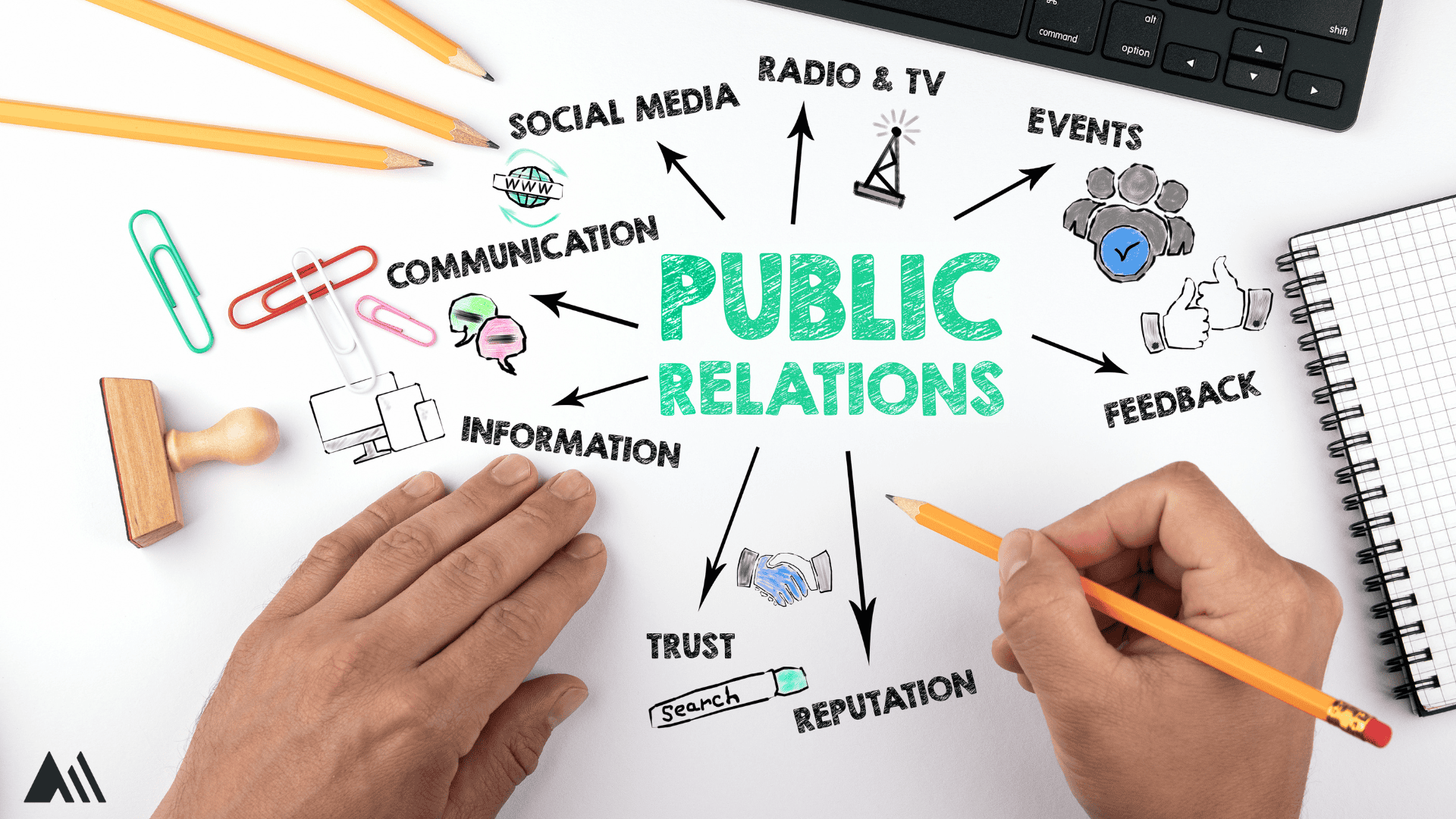
PR, or public relations, is essentially about shaping perceptions of a business by putting a spotlight on its areas of expertise, knowledge, unique selling points and positive attributes.
Rather than focusing on explicitly selling a product or service, as is the case with traditional marketing or advertising, PR is a more subtle approach. By showcasing a brand or business in a positive light, it naturally follows that potential clients or customers will start to take notice.
Businesses large and small, and from a wide range of sectors, can benefit from PR and reap the benefits of earned media.
Not just for crises?
It’s a misconception that PR is solely about navigating brand crises and putting a positive spin on negative situations.
While it’s true that PR is absolutely invaluable when it comes to managing brand reputation in tricky situations or moments of crisis, this isn’t its only job.
PR works best when it’s built on a strategy of consistency. From regularly sharing news stories about the positive work a business is doing in the local community, to putting out thought leadership pieces on a business’ area of expertise on a consistent basis, these steps add up to build a steady stream of content, putting a business in a favourable light.
Developing trust
Competition is stiff across businesses of all shapes and sizes, so it’s vital to do everything possible to stand out and build a strong relationship with potential customers.
Developing a sense of trust is vital in such overcrowded spaces, and even more so in our world of AI-saturated media and fake news. Customers and clients want to feel secure that what they’re thinking about investing in is worth their time and money – and a lot of this work takes place before they sign on the dotted line.
This is where PR comes in. Building a solid brand reputation can help establish this sense of trust early on. For instance, if a value-driven client is looking to partner with a new supplier, evidence of the business’ charity work and commitment to improving the local community in the media can go a long way in solidifying the decision to work together.
PR doesn’t just work to combat the negative, it amplifies the positive, too.
An unnecessary luxury?
So, do you need PR? For some, it may seem like an unnecessary luxury, but the reality is that in the world of business, reputation is everything. And this is exactly what PR is designed to handle.
Without a positive reputation and trusting relationships it can become extremely difficult to win over new clients and generate a profit. It goes without saying that the product or service on offer must be up to scratch, but if no one knows about it or is aware of the good your business is doing, what will the result be?
Social media and the fast-paced news cycle mean products and businesses can quickly be forgotten about if they don’t stand out – make sure you’re not putting yourself in that position.
If you would like to hear more about how we can help you elevate your brand and amplify your message, contact hello@makemorenoise.co.uk or call 0121 594 0712.
